Introduction
Motion projects break down when teams pick the flashiest technology instead of the one maintainers can actually ship. Rating Design evaluates motion requirements against performance budgets, device targets, and content update frequency before recommending a stack.
“Motion projects break down when teams pick the flashiest technology instead of the one maintainers can actually ship.”
— Editorial pull quote
Industry Insights
Lottie excels at lightweight icon loops, onboarding moments, and marketing micro-interactions with designer-friendly workflows.
SVG animation suits crisp UI transitions and theme-aware illustrations that scale without raster artifacts.
WebGL unlocks immersive hero scenes and 3D product storytelling but demands stronger QA on low-end hardware.
We document fallback states and reduced-motion preferences so accessibility stays central to creative decisions.

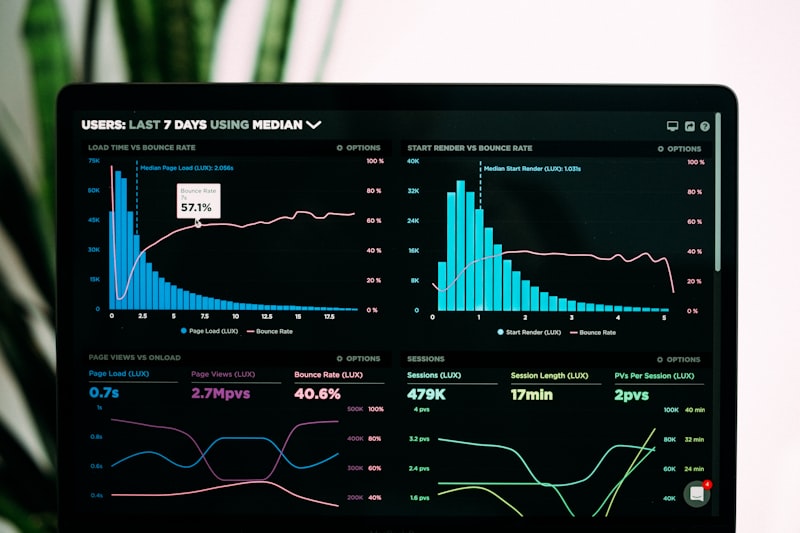
Visual reference for Lottie, SVG, or WebGL: Choosing the Right Motion Stack — aligned with our Motion & 3D service offering.
Best Practices
Asset pipelines compress textures, lazy-load heavy modules, and defer offscreen scenes until users scroll into view.
Developers receive integration notes that specify triggers, breakpoints, and cleanup on route changes.
Analytics compare engagement on motion-heavy versus static sections to validate creative investment.
Key Highlights
Motion projects break down when teams pick the flashiest technology instead of the one maintainers can actually ship
Rating Design evaluates motion requirements against performance budgets, device targets, and content update frequency before recommending a stack
Lottie excels at lightweight icon loops, onboarding moments, and marketing micro-interactions with designer-friendly workflows
Final Thoughts
The right motion stack balances spectacle, speed, and long-term maintainability for IT brands.